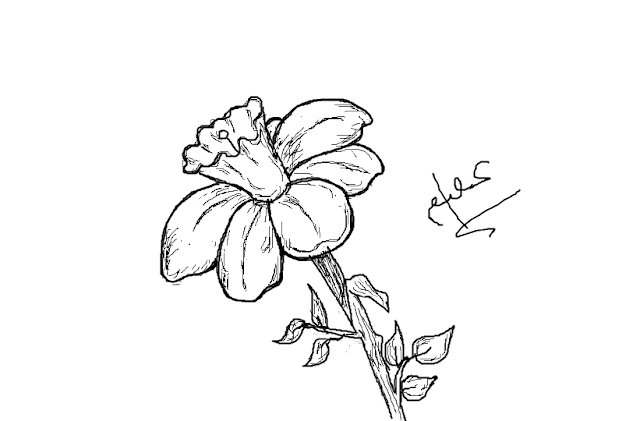
Narcissus /n?:r's?s?s/ is a genus of mostly spring perennial plant life in the Amaryllidaceae (amaryllis) family. Various common brands including daffodil,[notes 1] daffadowndilly,[3] narcissus, and jonquil are being used to describe all or some members of the genus. Narcissus has conspicuous flowers with six petal-like tepals surmounted with a cup- or trumpet-shaped corona. The blossoms are generally white or yellow (orange or green in garden varieties), with either standard or contrasting coloured tepals and corona.
Narcissus were well known in traditional civilisation, both medicinally and botanically, but formally detailed by Linnaeus in his Kinds Plantarum (1753). The genus is normally considered to have about ten portions with around 50 species. The amount of varieties has varied, depending how they are labeled, a consequence of to similarity between hybridization and species. The genus arose time in the Late Oligocene to Early Miocene epochs, in the Iberian peninsula and adjacent regions of southwest Europe. The exact origins of the true name Narcissus is mysterious, but it is linked to a Greek phrase for intoxicated (narcotic) and the myth of the young ones of that name who fell in love with his own representation. The English term 'daffodil' is apparently derived from "asphodel", with which it was likened commonly.
The varieties are indigenous to meadows and woods in southern Europe and North Africa with a middle of diversity in the European Mediterranean, particularly the Iberian peninsula. Both cultivated and wild plants have naturalised widely, and were launched into the Far East to the tenth hundred years prior. Narcissi have a tendency to be long-lived bulbs, which propagate by division, but are also insect-pollinated. Known pests, disorders and diseases include viruses, fungi, the larvae of flies, mites and nematodes. Some Narcissus species have grown to be extinct, while some are threatened by increasing tourism and urbanisation.
Historical accounts suggest narcissi have been cultivated from the initial times, but became increasingly popular in Europe after the 16th hundred years and by the overdue 19th hundred years were an important commercial crop centred mainly on holland. Narcissi are popular as cut blossoms and since ornamental plant life in private and general public gardens today. The long history of breeding has led to thousands of different cultivars. For horticultural purposes, narcissi are categorised into divisions, covering a variety of shapes and colours. Like other members of these family, narcissi create a number of different alkaloids, which provide some protection for the plant, but may be poisonous if ingested inadvertently. This property has been exploited for medicinal utilization in traditional healing and has resulted in the production of galantamine for the treating Alzheimer's dementia. Long celebrated in artwork and books, narcissi are associated with a number of themes in various cultures, ranging from fatality to good fortune, and as symbols of springtime. The daffodil is the national rose of Wales and the image of malignancy charities in many countries. The appearance of the crazy flowers in spring is associated with celebrations in many places.
Narcissus is a genus of perennial herbaceous bulbiferous geophytes, dying back again after flowering for an underground storage bulb. They regrow in the next time from brown-skinned ovoid light bulbs with pronounced necks, and reach heights of 5-80 cm depending on species. Dwarf varieties such as N. asturiensis have a maximum elevation of 5-8 cm, while Narcissus tazetta may grow as tall as 80 cm.
The crops are scapose, having a single central leafless hollow bloom stem (scape). Several blue-green or green, small, strap-shaped leaves arise from the light. The seed stem usually bears a solitary rose, but occasionally a cluster of flowers (umbel). The bouquets, which are usually conspicuous and white or yellow, sometimes both or rarely inexperienced, consist of a perianth of three parts. Closest to the stem (proximal) is a floral pipe above the ovary, then an exterior ring composed of six tepals (undifferentiated sepals and petals), and a central disk to conical molded corona. The flowers may hang up down (pendent), or be erect. You can find six pollen bearing stamens bordering a central style. The ovary is substandard (below the floral parts) comprising three chambers (trilocular). The berries contains a dried capsule that splits (dehisces) liberating numerous black seeds.
The bulb lies dormant following the leaves and blossom stem die back again and has contractile root base that take it down further in to the soil. The blossom leaves and stem form in the light, to emerge the next season. Most types are dormant from summer season to late winter, flowering in the planting season, though a few varieties are autumn flowering.
Daffodil 39;Dutch Master39;, Trumpet Daffodil 39;Dutch Master39;, Tru

Narcissus Willy Dunlop White Flower Yellow Trumpet March Stock Photo

Trumpet Daffodil Bulbs Dutch Master Narcissus Trumpet Daffodil

Yellow Trumpet Daffodil Royalty Free Stock Images Image: 14879529

, Trumpet Daffodil 39;Marieke39; Narcissus wonderful traditional ye

Narcissus /n?:r's?s?s/ is a genus of predominantly spring perennial plant life in the Amaryllidaceae (amaryllis) family. Various common names including daffodil,[notes 1] daffadowndilly,[3] narcissus, and jonquil are used to describe all or some known members of the genus. Narcissus has conspicuous flowers with six petal-like tepals surmounted with a cup- or trumpet-shaped corona. The blossoms are generally white or yellowish (orange or pink in garden types), with either standard or contrasting colored tepals and corona.
Narcissus were popular in historic civilisation, both medicinally and botanically, but formally detailed by Linnaeus in his Kinds Plantarum (1753). The genus is normally thought to have about ten sections with approximately 50 species. The amount of types has mixed, depending how they are labeled, a consequence of to similarity between hybridization and types. The genus arose some right time in the Late Oligocene to Early Miocene epochs, in the Iberian peninsula and adjacent areas of southwest Europe. The exact origins of the true name Narcissus is mysterious, but it is associated with a Greek expression for intoxicated (narcotic) and the myth of the youth of this name who fell in love with his own reflection. The English phrase 'daffodil' appears to be derived from "asphodel", with which it was likened commonly.
The types are native to meadows and woods in southern European countries and North Africa with a middle of variety in the American Mediterranean, the Iberian peninsula particularly. Both cultivated and wild plants have naturalised widely, and were introduced in to the Far East before the tenth century. Narcissi tend to be long-lived bulbs, which propagate by division, but are also insect-pollinated. Known pests, diseases and disorders include viruses, fungi, the larvae of flies, mites and nematodes. Some Narcissus species have grown to be extinct, while others are threatened by increasing tourism and urbanisation.
Historical accounts suggest narcissi have been cultivated from the initial times, but became increasingly popular in Europe following the 16th century and by the later 19th century were an important commercial crop centred generally on the Netherlands. Today narcissi are popular as slice flowers as ornamental vegetation in private and general public gardens. The long history of breeding has resulted in thousands of different cultivars. For horticultural purposes, narcissi are classified into divisions, covering a wide range of colours and shapes. Like other members of the family, narcissi create a true number of different alkaloids, which provide some protection for the plant, but may be poisonous if ingested accidentally. This property has been exploited for medicinal use in traditional healing and has resulted in the production of galantamine for the treating Alzheimer's dementia. Long celebrated in literature and skill, narcissi are associated with a number of themes in several cultures, ranging from death to fortune, and as icons of spring. The daffodil is the nationwide bloom of Wales and the sign of malignancy charities in many countries. The appearance of the crazy flowers in spring and coil is associated with celebrations in many places.
Narcissus is a genus of perennial herbaceous bulbiferous geophytes, dying back again after flowering with an underground storage light bulb. They regrow in the following 12 months from brown-skinned ovoid bulbs with pronounced necks, and reach levels of 5-80 cm depending on the species. Dwarf kinds such as N. asturiensis have a maximum level of 5-8 cm, while Narcissus tazetta may develop as large as 80 cm.
The plants are scapose, having a single central leafless hollow bloom stem (scape). Several blue-green or green, small, strap-shaped leaves arise from the light bulb. The flower stem bears a solitary rose, but once in a while a cluster of bouquets (umbel). The blossoms, that happen to be usually conspicuous and white or yellow, both or rarely renewable sometimes, consist of a perianth of three parts. Closest to the stem (proximal) is a floral tube above the ovary, then an outside ring made up of six tepals (undifferentiated sepals and petals), and a central disc to conical formed corona. The bouquets may hang down (pendent), or be erect. There are six pollen bearing stamens encompassing a central style. The ovary is poor (below the floral parts) consisting of three chambers (trilocular). The berry contains a dried out capsule that splits (dehisces) releasing numerous black seed products.
The bulb is situated dormant after the leaves and blossom stem die again and has contractile origins that yank it down further in to the soil. The flower leaves and stem form in the light bulb, to emerge the following season. Most kinds are dormant from summer to late winter, flowering in the springtime, though a few species are autumn flowering.
Yellow Trumpet Daffodil Narcissus Sp. Photographic Print by Maria

lemonyellow trumpet with a slightly ruffled edge in mid spring

Closeup of the bright yellow trumpet of a Daffodil Narcissus

balanced mix of large flowered yellow varieties, King Alfred type

Trumpet Narcissus, Trumpet Daffodil 39;King Alfred39; Narcissus by

Narcissus /n?:r's?s?s/ is a genus of mostly spring perennial vegetation in the Amaryllidaceae (amaryllis) family. Various common labels including daffodil,[notes 1] daffadowndilly,[3] narcissus, and jonquil are used to describe all or some members of the genus. Narcissus has conspicuous flowers with six petal-like tepals surmounted with a cup- or trumpet-shaped corona. The flowers are usually white or yellowish (orange or red in garden kinds), with either uniform or contrasting colored corona and tepals.
Narcissus were popular in historical civilisation, both and botanically medicinally, but formally explained by Linnaeus in his Species Plantarum (1753). The genus is generally considered to have about ten sections with around 50 species. The true range of species has assorted, depending about how they are categorised, as a consequence to similarity between hybridization and types. The genus arose some right amount of time in the Late Oligocene to Early Miocene epochs, in the Iberian peninsula and adjacent areas of southwest Europe. The precise source of the name Narcissus is undiscovered, but it is associated with a Greek word for intoxicated (narcotic) and the misconception of the youngsters of this name who fell in love with his own reflection. The English expression 'daffodil' appears to be produced from "asphodel", with which it was likened commonly.
The kinds are native to meadows and woods in southern Europe and North Africa with a center of diversity in the Traditional western Mediterranean, the Iberian peninsula particularly. Both wild and cultivated plants have naturalised widely, and were unveiled into the Far East to the tenth century prior. Narcissi have a tendency to be long-lived bulbs, which propagate by division, but are insect-pollinated also. Known pests, diseases and disorders include viruses, fungi, the larvae of flies, nematodes and mites. Some Narcissus species have become extinct, while others are threatened by increasing urbanisation and tourism.
Historical accounts suggest narcissi have been cultivated from the initial times, but became increasingly popular in Europe after the 16th hundred years and by the overdue 19th century were an important commercial crop centred primarily on the Netherlands. Narcissi are popular as slice flowers so that ornamental crops in private and general population gardens today. The long history of breeding has led to thousands of different cultivars. For horticultural purposes, narcissi are categorised into divisions, covering a variety of colours and shapes. Like other members of these family, narcissi produce a true number of different alkaloids, which provide some protection for the plant, but may be poisonous if ingested accidentally. This property has been exploited for medicinal use within traditional healing and has led to the production of galantamine for the treating Alzheimer's dementia. Long celebrated in books and fine art, narcissi are associated with a number of themes in several cultures, ranging from death to fortune, and as symbols of spring and coil. The daffodil is the national flower of Wales and the symbol of cancers charities in many countries. The looks of the wild flowers in spring is associated with celebrations in many places.
Narcissus is a genus of perennial herbaceous bulbiferous geophytes, dying again after flowering with an underground storage light bulb. They regrow in the following time from brown-skinned ovoid lights with pronounced necks, and reach heights of 5-80 cm depending on the species. Dwarf kinds such as N. asturiensis have a maximum elevation of 5-8 cm, while Narcissus tazetta might grow as extra tall as 80 cm.
The crops are scapose, having a single central leafless hollow flower stem (scape). Several blue-green or green, slim, strap-shaped leaves come up from the light. The place stem bears a solitary blossom, but occasionally a cluster of blossoms (umbel). The blossoms, which are conspicuous and white or yellow usually, both or rarely inexperienced sometimes, consist of a perianth of three parts. Closest to the stem (proximal) is a floral tube above the ovary, then an external ring composed of six tepals (undifferentiated sepals and petals), and a central disk to conical formed corona. The blossoms may hang up down (pendent), or be erect. There are six pollen bearing stamens bordering a central style. The ovary is poor (below the floral parts) consisting of three chambers (trilocular). The berry includes a dried capsule that splits (dehisces) releasing numerous black seeds.
The bulb lies dormant after the leaves and blossom stem die again and has contractile roots that yank it down further into the soil. The bloom stem and leaves form in the light bulb, to emerge the following season. Most types are dormant from summer season to overdue winter, flowering in the spring and coil, though a few species are autumn flowering.
Landscape Sized Trumpet Daffodil Mount Hood Trumpet Daffodils

Narcissus Yellow River Trumpet Daffodils Narcissi Flower Bulbs

yellow trumpets of the early flowering dwarf narcissus, Narcissus

Cyclamineus Narcissus Stock Photos amp; Cyclamineus Narcissus Stock

Trumpet Narcissus group, yellow flowers, spring flowering bulbs, award

Narcissus /n?:r's?s?s/ is a genus of mostly spring perennial plant life in the Amaryllidaceae (amaryllis) family. Various common names including daffodil,[notes 1] daffadowndilly,[3] narcissus, and jonquil are used to describe all or some known members of the genus. Narcissus has conspicuous flowers with six petal-like tepals surmounted by a cup- or trumpet-shaped corona. The flowers are usually white or yellowish (orange or green in garden kinds), with either uniform or contrasting colored corona and tepals.
Narcissus were well known in old civilisation, both and botanically medicinally, but formally described by Linnaeus in his Species Plantarum (1753). The genus is normally thought to have about ten portions with about 50 species. The true variety of types has assorted, depending about how they are categorized, as a consequence to similarity between hybridization and species. The genus arose time in the Late Oligocene to Early Miocene epochs, in the Iberian peninsula and adjacent regions of southwest Europe. The precise origins of the name Narcissus is mysterious, but it is often linked to a Greek expression for intoxicated (narcotic) and the myth of the youngsters of that name who fell in love with his own reflection. The English phrase 'daffodil' appears to be produced from "asphodel", with which it was likened commonly.
The species are local to meadows and woods in southern European countries and North Africa with a centre of diversity in the European Mediterranean, particularly the Iberian peninsula. Both wild and cultivated plants have naturalised widely, and were presented in to the ASIA to the tenth century prior. Narcissi tend to be long-lived bulbs, which propagate by division, but are insect-pollinated also. Known pests, disorders and diseases include viruses, fungi, the larvae of flies, nematodes and mites. Some Narcissus species have grown to be extinct, while some are threatened by increasing urbanisation and tourism.
Historical accounts suggest narcissi have been cultivated from the earliest times, but became increasingly popular in Europe after the 16th century and by the past due 19th hundred years were an important commercial crop centred mostly on the Netherlands. Narcissi are popular as slash plants so that as ornamental crops in private and general population gardens today. The long history of breeding has led to a large number of different cultivars. For horticultural purposes, narcissi are classified into divisions, covering an array of colours and shapes. Like other members of their family, narcissi produce a number of different alkaloids, which provide some protection for the plant, but may be poisonous if accidentally ingested. This property has been exploited for medicinal used in traditional healing and has resulted in the production of galantamine for the treating Alzheimer's dementia. Long celebrated in literature and art, narcissi are associated with a number of themes in various cultures, ranging from fatality to fortune, and as symbols of springtime. The daffodil is the nationwide flower of Wales and the mark of cancer tumor charities in many countries. The looks of the outrageous flowers in springtime is associated with festivals in many places.
Narcissus is a genus of perennial herbaceous bulbiferous geophytes, dying again after flowering to a underground storage light. They regrow in the next season from brown-skinned ovoid lights with pronounced necks, and reach heights of 5-80 cm with regards to the species. Dwarf species such as N. asturiensis have a maximum height of 5-8 cm, while Narcissus tazetta might increase as large as 80 cm.
The crops are scapose, having an individual central leafless hollow bloom stem (scape). Several blue-green or green, slim, strap-shaped leaves come up from the light. The flower stem bears a solitary rose, but sometimes a cluster of plants (umbel). The blossoms, which can be conspicuous and white or yellowish usually, sometimes both or rarely renewable, consist of a perianth of three parts. Closest to the stem (proximal) is a floral pipe above the ovary, then an outside ring made up of six tepals (undifferentiated sepals and petals), and a central disk to conical formed corona. The blooms may hang up down (pendent), or be erect. You will discover six pollen bearing stamens adjoining a central style. The ovary is second-rate (below the floral parts) consisting of three chambers (trilocular). The berry consists of a dried capsule that splits (dehisces) liberating numerous black seed products.
The bulb is placed dormant after the leaves and bloom stem die back and has contractile root base that yank it down further into the soil. The flower leaves and stem form in the light, to emerge the next season. Most types are dormant from summer months to late winter, flowering in the spring and coil, though a few species are fall months flowering.
Unsurpassable, Barret Browning, Red Devon Trumpet, Daffodil Narcissus

Daffodils White

Secrets of a Seed Scatterer: Stroll Among the Daffodils

SK Great Impressions Petal Veiner Daffodil Narcissus Mini Squires

Trumpet Narcissus 39;Unsurpassable39; quot;quot;quot;Tulips, Hyacint

Narcissus /n?:r's?s?s/ is a genus of mostly spring perennial crops in the Amaryllidaceae (amaryllis) family. Various common names including daffodil,[notes 1] daffadowndilly,[3] narcissus, and jonquil are used to describe all or some known members of the genus. Narcissus has conspicuous flowers with six petal-like tepals surmounted by a cup- or trumpet-shaped corona. The blossoms are usually white or yellowish (orange or green in garden types), with either even or contrasting colored tepals and corona.
Narcissus were well known in ancient civilisation, both medicinally and botanically, but formally described by Linnaeus in his Species Plantarum (1753). The genus is generally considered to have about ten sections with around 50 species. The number of species has varied, depending how they are categorised, credited to similarity between types and hybridization. The genus arose some time in the Late Oligocene to Early Miocene epochs, in the Iberian peninsula and adjacent regions of southwest Europe. The exact source of the true name Narcissus is unidentified, but it is often associated with a Greek phrase for intoxicated (narcotic) and the misconception of the youngsters of that name who fell in love with his own representation. The English expression 'daffodil' is apparently produced from "asphodel", with which it was likened commonly.
The types are local to meadows and woods in southern Europe and North Africa with a center of diversity in the European Mediterranean, the Iberian peninsula particularly. Both wild and cultivated plants have naturalised widely, and were introduced into the Far East before the tenth century. Narcissi tend to be long-lived bulbs, which propagate by division, but are insect-pollinated also. Known pests, diseases and disorders include viruses, fungi, the larvae of flies, nematodes and mites. Some Narcissus species have grown to be extinct, while some are threatened by increasing tourism and urbanisation.
Historical accounts suggest narcissi have been cultivated from the earliest times, but became increasingly popular in Europe following the 16th century and by the late 19th hundred years were an important commercial crop centred mainly on holland. Today narcissi are popular as cut flowers and since ornamental vegetation in private and open public gardens. The long history of breeding has led to a large number of different cultivars. For horticultural purposes, narcissi are categorised into divisions, covering an array of shapes and colours. Like other members of these family, narcissi produce a true number of different alkaloids, which provide some protection for the plant, but may be poisonous if ingested accidentally. This property has been exploited for medicinal use within traditional healing and has resulted in the production of galantamine for the treatment of Alzheimer's dementia. Long celebrated in skill and literature, narcissi are associated with a number of themes in various cultures, ranging from fatality to good fortune, and as icons of spring. The daffodil is the nationwide rose of Wales and the mark of cancers charities in many countries. The looks of the crazy flowers in springtime is associated with festivals in many places.
Narcissus is a genus of perennial herbaceous bulbiferous geophytes, dying back after flowering to an underground storage light bulb. They regrow in the next time from brown-skinned ovoid lights with pronounced necks, and reach heights of 5-80 cm with regards to the species. Dwarf kinds such as N. asturiensis have a maximum level of 5-8 cm, while Narcissus tazetta may increase as high as 80 cm.
The plant life are scapose, having a single central leafless hollow bloom stem (scape). Several green or blue-green, small, strap-shaped leaves come up from the light. The flower stem bears a solitary flower, but once in a while a cluster of plants (umbel). The blossoms, which are usually conspicuous and white or yellow, both or seldom green sometimes, consist of a perianth of three parts. Closest to the stem (proximal) is a floral pipe above the ovary, then an outside ring composed of six tepals (undifferentiated sepals and petals), and a central disk to conical molded corona. The blooms may suspend down (pendent), or be erect. A couple of six pollen bearing stamens adjoining a central style. The ovary is second-rate (below the floral parts) consisting of three chambers (trilocular). The fruits involves a dried capsule that splits (dehisces) launching numerous black seed products.
The bulb is dormant following the leaves and blossom stem die back and has contractile root base that pull it down further in to the soil. The flower leaves and stem form in the bulb, to emerge the following season. Most kinds are dormant from summer time to later winter, flowering in the planting season, though a few kinds are fall flowering.
Search over 300,000 sheet music arrangements available instantly to

Sheet music for Piano. Mendelssohn Midsummer Nights Dream 1 Overture

Narcissus Op.13 No. 4 Piano Sheet Music by Ethelbert Nevin

Liebestraum Als Bossa Nova / Narcissus Columbia Germany C 22 455

Ethelbert Nevin quot;Narcissus Bb Instrumentquot; Sheet Music Trumpet

Narcissus /n?:r's?s?s/ is a genus of mainly spring perennial vegetation in the Amaryllidaceae (amaryllis) family. Various common labels including daffodil,[notes 1] daffadowndilly,[3] narcissus, and jonquil are used to describe all or some members of the genus. Narcissus has conspicuous flowers with six petal-like tepals surmounted by a cup- or trumpet-shaped corona. The blossoms are usually white or yellow (orange or green in garden types), with either standard or contrasting colored tepals and corona.
Narcissus were well known in ancient civilisation, both and botanically medicinally, but formally identified by Linnaeus in his Varieties Plantarum (1753). The genus is generally considered to have about ten portions with about 50 species. The number of varieties has assorted, depending about how they are grouped, anticipated to similarity between species and hybridization. The genus arose time in the Late Oligocene to Early Miocene epochs, in the Iberian peninsula and adjacent regions of southwest Europe. The precise origins of the true name Narcissus is anonymous, but it is associated with a Greek phrase for intoxicated (narcotic) and the myth of the young ones of that name who fell deeply in love with his own representation. The English expression 'daffodil' appears to be derived from "asphodel", with which it was compared commonly.
The types are native to meadows and woods in southern European countries and North Africa with a middle of diversity in the European Mediterranean, particularly the Iberian peninsula. Both cultivated and wild plants have naturalised widely, and were introduced in to the Far East to the tenth century prior. Narcissi have a tendency to be long-lived bulbs, which propagate by division, but are insect-pollinated also. Known pests, diseases and disorders include viruses, fungi, the larvae of flies, nematodes and mites. Some Narcissus species have grown to be extinct, while some are threatened by increasing urbanisation and tourism.
Historical accounts suggest narcissi have been cultivated from the earliest times, but became increasingly popular in Europe following the 16th century and by the overdue 19th century were an important commercial crop centred mainly on the Netherlands. Narcissi are popular as slice plants so when ornamental plants in private and general population gardens today. The long history of breeding has led to thousands of different cultivars. For horticultural purposes, narcissi are categorised into divisions, covering an array of colours and shapes. Like other members of the family, narcissi produce a number of different alkaloids, which provide some protection for the plant, but may be poisonous if accidentally ingested. This property has been exploited for medicinal utilization in traditional healing and has resulted in the production of galantamine for the treating Alzheimer's dementia. Long celebrated in art work and books, narcissi are associated with a number of themes in various cultures, ranging from death to good fortune, and as icons of springtime. The daffodil is the national blossom of Wales and the mark of malignancy charities in many countries. The looks of the outrageous flowers in spring and coil is associated with celebrations in many places.
Narcissus is a genus of perennial herbaceous bulbiferous geophytes, dying back again after flowering for an underground storage light. They regrow in the next year from brown-skinned ovoid bulbs with pronounced necks, and reach levels of 5-80 cm depending on the species. Dwarf species such as N. asturiensis have a maximum level of 5-8 cm, while Narcissus tazetta might expand as high as 80 cm.
The vegetation are scapose, having an individual central leafless hollow blossom stem (scape). Several green or blue-green, thin, strap-shaped leaves arise from the light bulb. The place stem usually bears a solitary bloom, but sometimes a cluster of blooms (umbel). The flowers, that are usually conspicuous and white or yellow, sometimes both or almost never inexperienced, contain a perianth of three parts. Closest to the stem (proximal) is a floral tube above the ovary, then an external ring composed of six tepals (undifferentiated sepals and petals), and a central disc to conical shaped corona. The blossoms may hang up down (pendent), or be erect. You can find six pollen bearing stamens encompassing a central style. The ovary is substandard (below the floral parts) comprising three chambers (trilocular). The super fruit consists of a dried up capsule that splits (dehisces) launching numerous black seed products.
The bulb is situated dormant after the leaves and rose stem die again and has contractile root base that draw it down further in to the soil. The blossom stem and leaves form in the light, to emerge the next season. Most types are dormant from warmer summer months to past due winter, flowering in the spring and coil, though a few species are fall months flowering.
Narcissus Arkle Trumpet Daffodils Narcissi Flower Bulb Index

Narcissus, Trumpet 39;Goblet39; Tulips amp; Daffodils Pinterest

Narcissus Jetfire Yellow with Orange Trumpet Flower Plants below Wall

Narcissus ‘Fortune’ LargeCupped Daffodil Bright golden yellow

Narcissus Rijnveld39;s Early Sensation Trumpet Daffodils Narcissi

Narcissus /n?:r's?s?s/ is a genus of mainly spring perennial plants in the Amaryllidaceae (amaryllis) family. Various common brands including daffodil,[notes 1] daffadowndilly,[3] narcissus, and jonquil are used to describe all or some members of the genus. Narcissus has conspicuous flowers with six petal-like tepals surmounted with a cup- or trumpet-shaped corona. The blooms are generally white or yellow (orange or red in garden varieties), with either even or contrasting coloured tepals and corona.
Narcissus were popular in early civilisation, both and botanically medicinally, but formally explained by Linnaeus in his Kinds Plantarum (1753). The genus is normally thought to have about ten sections with approximately 50 species. The true variety of species has varied, depending on how they are classified, as a consequence to similarity between hybridization and types. The genus arose time in the Late Oligocene to Early Miocene epochs, in the Iberian peninsula and adjacent regions of southwest Europe. The exact source of the true name Narcissus is unidentified, but it is associated with a Greek term for intoxicated (narcotic) and the myth of the youngsters of that name who fell in love with his own reflection. The English word 'daffodil' appears to be derived from "asphodel", with which it was commonly compared.
The kinds are indigenous to meadows and woods in southern Europe and North Africa with a middle of diversity in the Traditional western Mediterranean, particularly the Iberian peninsula. Both wild and cultivated plants have naturalised widely, and were introduced in to the Far East to the tenth century prior. Narcissi tend to be long-lived bulbs, which propagate by division, but are insect-pollinated also. Known pests, diseases and disorders include viruses, fungi, the larvae of flies, mites and nematodes. Some Narcissus species have become extinct, while some are threatened by increasing urbanisation and tourism.
Historical accounts suggest narcissi have been cultivated from the earliest times, but became increasingly popular in Europe following the 16th century and by the later 19th hundred years were an important commercial crop centred generally on holland. Today narcissi are popular as chop blooms so that ornamental plants in private and general population gardens. The long history of breeding has led to thousands of different cultivars. For horticultural purposes, narcissi are classified into divisions, covering an array of colours and shapes. Like other members of their family, narcissi create a true number of different alkaloids, which provide some protection for the plant, but may be poisonous if ingested accidentally. This property has been exploited for medicinal use in traditional healing and has led to the production of galantamine for the treating Alzheimer's dementia. Long celebrated in art work and literature, narcissi are associated with a number of themes in various cultures, ranging from fatality to fortune, and as symbols of planting season. The daffodil is the national blossom of Wales and the symbol of malignancy charities in many countries. The looks of the untamed flowers in springtime is associated with celebrations in many places.
Narcissus is a genus of perennial herbaceous bulbiferous geophytes, dying back again after flowering to an underground storage light bulb. They regrow in the following 12 months from brown-skinned ovoid lights with pronounced necks, and reach levels of 5-80 cm with respect to the species. Dwarf varieties such as N. asturiensis have a maximum level of 5-8 cm, while Narcissus tazetta may expand as large as 80 cm.
The vegetation are scapose, having an individual central leafless hollow blossom stem (scape). Several green or blue-green, narrow, strap-shaped leaves arise from the light. The flower stem usually bears a solitary rose, but once in a while a cluster of blossoms (umbel). The blossoms, that are conspicuous and white or yellow usually, sometimes both or hardly ever green, contain a perianth of three parts. Closest to the stem (proximal) is a floral pipe above the ovary, then an external ring composed of six tepals (undifferentiated sepals and petals), and a central disc to conical molded corona. The blooms may hang down (pendent), or be erect. There are six pollen bearing stamens bordering a central style. The ovary is inferior (below the floral parts) comprising three chambers (trilocular). The super fruit includes a dried up capsule that splits (dehisces) launching numerous black seed products.
The bulb lies dormant after the leaves and bloom stem die again and has contractile origins that take it down further in to the soil. The flower leaves and stem form in the light, to emerge the following season. Most kinds are dormant from summer months to overdue winter, flowering in the spring and coil, though a few varieties are autumn flowering.
Trevithian Jonquil – Yellow, Early, Fragrant

shopspring spring inspiration close view of narcissus unsurpassable

Narcissus Unsurpassable 5 ks

Narcyz Unsurpassable 5 cebulek w SklepNasiona Sprawdź darmową

Trumpet Narcissus have the largest flowers of any Narcissus group

Narcissus /n?:r's?s?s/ is a genus of mostly spring perennial plant life in the Amaryllidaceae (amaryllis) family. Various common brands including daffodil,[notes 1] daffadowndilly,[3] narcissus, and jonquil are used to describe all or some members of the genus. Narcissus has conspicuous flowers with six petal-like tepals surmounted by way of a cup- or trumpet-shaped corona. The blossoms are generally white or yellowish (orange or pink in garden varieties), with either uniform or contrasting coloured corona and tepals.
Narcissus were well known in early civilisation, both medicinally and botanically, but formally identified by Linnaeus in his Types Plantarum (1753). The genus is normally thought to have about ten portions with about 50 species. The true amount of types has mixed, depending about how they are labeled, as a consequence to similarity between hybridization and species. The genus arose time in the Late Oligocene to Early Miocene epochs, in the Iberian peninsula and adjacent regions of southwest Europe. The exact origins of the real name Narcissus is unidentified, but it is often linked to a Greek word for intoxicated (narcotic) and the misconception of the junior of that name who fell deeply in love with his own representation. The English phrase 'daffodil' is apparently derived from "asphodel", with which it was commonly compared.
The kinds are indigenous to meadows and woods in southern Europe and North Africa with a center of variety in the Traditional western Mediterranean, particularly the Iberian peninsula. Both wild and cultivated plants have naturalised widely, and were launched into the ASIA to the tenth hundred years prior. Narcissi have a tendency to be long-lived bulbs, which propagate by division, but are also insect-pollinated. Known pests, diseases and disorders include viruses, fungi, the larvae of flies, nematodes and mites. Some Narcissus species have grown to be extinct, while some are threatened by increasing tourism and urbanisation.
Historical accounts suggest narcissi have been cultivated from the initial times, but became ever more popular in Europe following the 16th century and by the past due 19th century were an important commercial crop centred generally on the Netherlands. Narcissi are popular as trim blooms and as ornamental crops in private and general public gardens today. The long history of breeding has resulted in thousands of different cultivars. For horticultural purposes, narcissi are categorized into divisions, covering a wide range of colours and shapes. Like other members of these family, narcissi produce a number of different alkaloids, which provide some protection for the plant, but may be poisonous if ingested accidentally. This property has been exploited for medicinal use in traditional healing and has led to the production of galantamine for the treatment of Alzheimer's dementia. Long celebrated in skill and books, narcissi are associated with a number of themes in various cultures, ranging from death to fortune, and as icons of planting season. The daffodil is the national blossom of Wales and the sign of cancers charities in many countries. The appearance of the wild flowers in springtime is associated with festivals in many places.
Narcissus is a genus of perennial herbaceous bulbiferous geophytes, dying again after flowering with an underground storage light bulb. They regrow in the next time from brown-skinned ovoid bulbs with pronounced necks, and reach heights of 5-80 cm with regards to the species. Dwarf species such as N. asturiensis have a maximum elevation of 5-8 cm, while Narcissus tazetta might expand as tall as 80 cm.
The plants are scapose, having an individual central leafless hollow bloom stem (scape). Several green or blue-green, thin, strap-shaped leaves happen from the light. The seed stem usually bears a solitary rose, but occasionally a cluster of flowers (umbel). The bouquets, which are conspicuous and white or yellow usually, both or rarely green sometimes, consist of a perianth of three parts. Closest to the stem (proximal) is a floral pipe above the ovary, then an outside ring composed of six tepals (undifferentiated sepals and petals), and a central disk to conical shaped corona. The blooms may hang up down (pendent), or be erect. There are six pollen bearing stamens encircling a central style. The ovary is substandard (below the floral parts) comprising three chambers (trilocular). The berries involves a dried capsule that splits (dehisces) liberating numerous black seed products.
The bulb sits dormant following the leaves and bloom stem die back again and has contractile root base that pull it down further in to the soil. The blossom stem and leaves form in the light bulb, to emerge the next season. Most kinds are dormant from summer to late winter, flowering in the spring and coil, though a few types are fall months flowering.
Narcissus Goblet Trumpet Daffodils Narcissi Flower Bulbs Index

Narcissus Bravoure Trumpet Daffodils Narcissi Fall 2014 Flower

Narcissus 39;Topolino39; Trumpet Daffodil

Narcissus Spellbinder Trumpet Daffodils Narcissi Flower Bulbs

Narcissus Arkle Trumpet Daffodils Narcissi Flower Bulb Index

Narcissus /n?:r's?s?s/ is a genus of mainly spring perennial plant life in the Amaryllidaceae (amaryllis) family. Various common labels including daffodil,[notes 1] daffadowndilly,[3] narcissus, and jonquil are being used to describe all or some members of the genus. Narcissus has conspicuous flowers with six petal-like tepals surmounted by way of a cup- or trumpet-shaped corona. The flowers are usually white or yellow (orange or red in garden varieties), with either uniform or contrasting coloured corona and tepals.
Narcissus were well known in historic civilisation, both medicinally and botanically, but formally defined by Linnaeus in his Kinds Plantarum (1753). The genus is normally thought to have about ten portions with around 50 species. The amount of varieties has mixed, depending on how they are categorized, as a consequence to similarity between hybridization and kinds. The genus arose some right amount of time in the Late Oligocene to Early Miocene epochs, in the Iberian peninsula and adjacent areas of southwest Europe. The precise origin of the name Narcissus is unidentified, but it is often linked to a Greek word for intoxicated (narcotic) and the myth of the youth of this name who fell in love with his own reflection. The English term 'daffodil' is apparently produced from "asphodel", with which it was commonly likened.
The kinds are indigenous to meadows and woods in southern Europe and North Africa with a middle of variety in the American Mediterranean, particularly the Iberian peninsula. Both cultivated and wild plants have naturalised widely, and were introduced in to the ASIA to the tenth hundred years prior. Narcissi have a tendency to be long-lived bulbs, which propagate by division, but are also insect-pollinated. Known pests, disorders and diseases include viruses, fungi, the larvae of flies, nematodes and mites. Some Narcissus species have grown to be extinct, while some are threatened by increasing urbanisation and tourism.
Historical accounts suggest narcissi have been cultivated from the initial times, but became ever more popular in Europe following the 16th hundred years and by the past due 19th century were an important commercial crop centred primarily on holland. Narcissi are popular as cut plants so that ornamental plants in private and open public gardens today. The long history of breeding has resulted in thousands of different cultivars. For horticultural purposes, narcissi are categorized into divisions, covering a wide range of colours and shapes. Like other members with their family, narcissi create a true number of different alkaloids, which provide some protection for the plant, but may be poisonous if ingested accidentally. This property has been exploited for medicinal utilization in traditional healing and has led to the production of galantamine for the treatment of Alzheimer's dementia. Long celebrated in art and books, narcissi are associated with a number of themes in various cultures, ranging from fatality to good fortune, and as symbols of spring and coil. The daffodil is the nationwide flower of Wales and the sign of tumors charities in many countries. The appearance of the untamed flowers in planting season is associated with celebrations in many places.
Narcissus is a genus of perennial herbaceous bulbiferous geophytes, dying back again after flowering to an underground storage light. They regrow in the next calendar year from brown-skinned ovoid lights with pronounced necks, and reach heights of 5-80 cm with regards to the species. Dwarf kinds such as N. asturiensis have a maximum level of 5-8 cm, while Narcissus tazetta may develop as large as 80 cm.
The crops are scapose, having a single central leafless hollow flower stem (scape). Several green or blue-green, small, strap-shaped leaves arise from the light bulb. The vegetable stem bears a solitary flower, but occasionally a cluster of flowers (umbel). The bouquets, which can be conspicuous and white or yellowish usually, sometimes both or seldom inexperienced, consist of a perianth of three parts. Closest to the stem (proximal) is a floral pipe above the ovary, then an outside ring made up of six tepals (undifferentiated sepals and petals), and a central disc to conical designed corona. The plants may suspend down (pendent), or be erect. A couple of six pollen bearing stamens encircling a central style. The ovary is poor (below the floral parts) comprising three chambers (trilocular). The super fruit contains a dry capsule that splits (dehisces) releasing numerous black seed products.
The bulb lays dormant following the leaves and rose stem die back again and has contractile roots that take it down further into the soil. The rose stem and leaves form in the bulb, to emerge the next season. Most species are dormant from summertime to overdue winter, flowering in the planting season, though a few varieties are autumn flowering.
Narcissus 39;Standard Value39; Trumpet Daffodil

Narcissus King Alfred Trumpet Daffodils Narcissi Fall 2014

Narcissus Rijnveld39;sEarly Sensation Trumpet Daffodils Narcissi

Narcissus Dutch Master This magnificent yellow Trumpet is the

Welcome Spring! Daffodil39;s Trumpet Narcissus by Cloudwhisperer67

Narcissus /n?:r's?s?s/ is a genus of mainly spring perennial crops in the Amaryllidaceae (amaryllis) family. Various common brands including daffodil,[notes 1] daffadowndilly,[3] narcissus, and jonquil are used to describe all or some members of the genus. Narcissus has conspicuous flowers with six petal-like tepals surmounted with a cup- or trumpet-shaped corona. The plants are generally white or yellowish (orange or pink in garden varieties), with either uniform or contrasting coloured tepals and corona.
Narcissus were well known in historic civilisation, both medicinally and botanically, but formally described by Linnaeus in his Types Plantarum (1753). The genus is generally thought to have about ten portions with around 50 species. The number of varieties has mixed, depending how they are categorized, credited to similarity between varieties and hybridization. The genus arose time in the Late Oligocene to Early Miocene epochs, in the Iberian peninsula and adjacent regions of southwest Europe. The exact origins of the real name Narcissus is mysterious, but it is often associated with a Greek phrase for intoxicated (narcotic) and the misconception of the young ones of that name who fell in love with his own representation. The English word 'daffodil' is apparently derived from "asphodel", with which it was compared commonly.
The varieties are local to meadows and woods in southern Europe and North Africa with a center of variety in the Traditional western Mediterranean, particularly the Iberian peninsula. Both wild and cultivated plants have naturalised widely, and were introduced in to the Far East before the tenth century. Narcissi have a tendency to be long-lived bulbs, which propagate by division, but are also insect-pollinated. Known pests, disorders and diseases include viruses, fungi, the larvae of flies, mites and nematodes. Some Narcissus species have grown to be extinct, while some are threatened by increasing urbanisation and tourism.
Historical accounts suggest narcissi have been cultivated from the initial times, but became ever more popular in Europe after the 16th century and by the past due 19th hundred years were an important commercial crop centred primarily on holland. Today narcissi are popular as trim blossoms and as ornamental plant life in private and public gardens. The long history of breeding has resulted in a large number of different cultivars. For horticultural purposes, narcissi are classified into divisions, covering a variety of colours and shapes. Like other members of their family, narcissi create a number of different alkaloids, which provide some protection for the plant, but may be poisonous if accidentally ingested. This property has been exploited for medicinal used in traditional healing and has resulted in the production of galantamine for the treatment of Alzheimer's dementia. Long celebrated in fine art and books, narcissi are associated with a true number of themes in different cultures, ranging from death to good fortune, and as symbols of spring. The daffodil is the nationwide flower of Wales and the icon of tumors charities in many countries. The looks of the crazy flowers in spring is associated with celebrations in many places.
Narcissus is a genus of perennial herbaceous bulbiferous geophytes, dying back after flowering with an underground storage light bulb. They regrow in the next year from brown-skinned ovoid bulbs with pronounced necks, and reach levels of 5-80 cm depending on the species. Dwarf species such as N. asturiensis have a maximum level of 5-8 cm, while Narcissus tazetta may grow as large as 80 cm.
The vegetation are scapose, having a single central leafless hollow bloom stem (scape). Several green or blue-green, narrow, strap-shaped leaves occur from the light bulb. The vegetable stem usually bears a solitary flower, but once in a while a cluster of blossoms (umbel). The blossoms, that are usually conspicuous and white or yellow, sometimes both or hardly ever inexperienced, consist of a perianth of three parts. Closest to the stem (proximal) is a floral pipe above the ovary, then an outside ring made up of six tepals (undifferentiated sepals and petals), and a central disc to conical designed corona. The blooms may hang up down (pendent), or be erect. You can find six pollen bearing stamens encompassing a central style. The ovary is poor (below the floral parts) consisting of three chambers (trilocular). The super fruit contains a dry capsule that splits (dehisces) launching numerous black seed products.
The bulb is placed dormant after the leaves and blossom stem die back again and has contractile root base that take it down further in to the soil. The rose stem and leaves form in the bulb, to emerge the next season. Most kinds are dormant from warmer summer months to later winter, flowering in the springtime, though a few species are fall months flowering.
Image of Narcissus Early Spring Cream Yellow Trumpet Flower in Spring

Narcissus Cream with Yellow Trumpet Flower in Winter Sunlight Stock

Narcissus Jetfire Yellow with Orange Trumpet Flower Plants Clump

Narcissus Rijnveld39;s Early Sensation Trumpet Daffodils Narcissi